● Training
RANGE
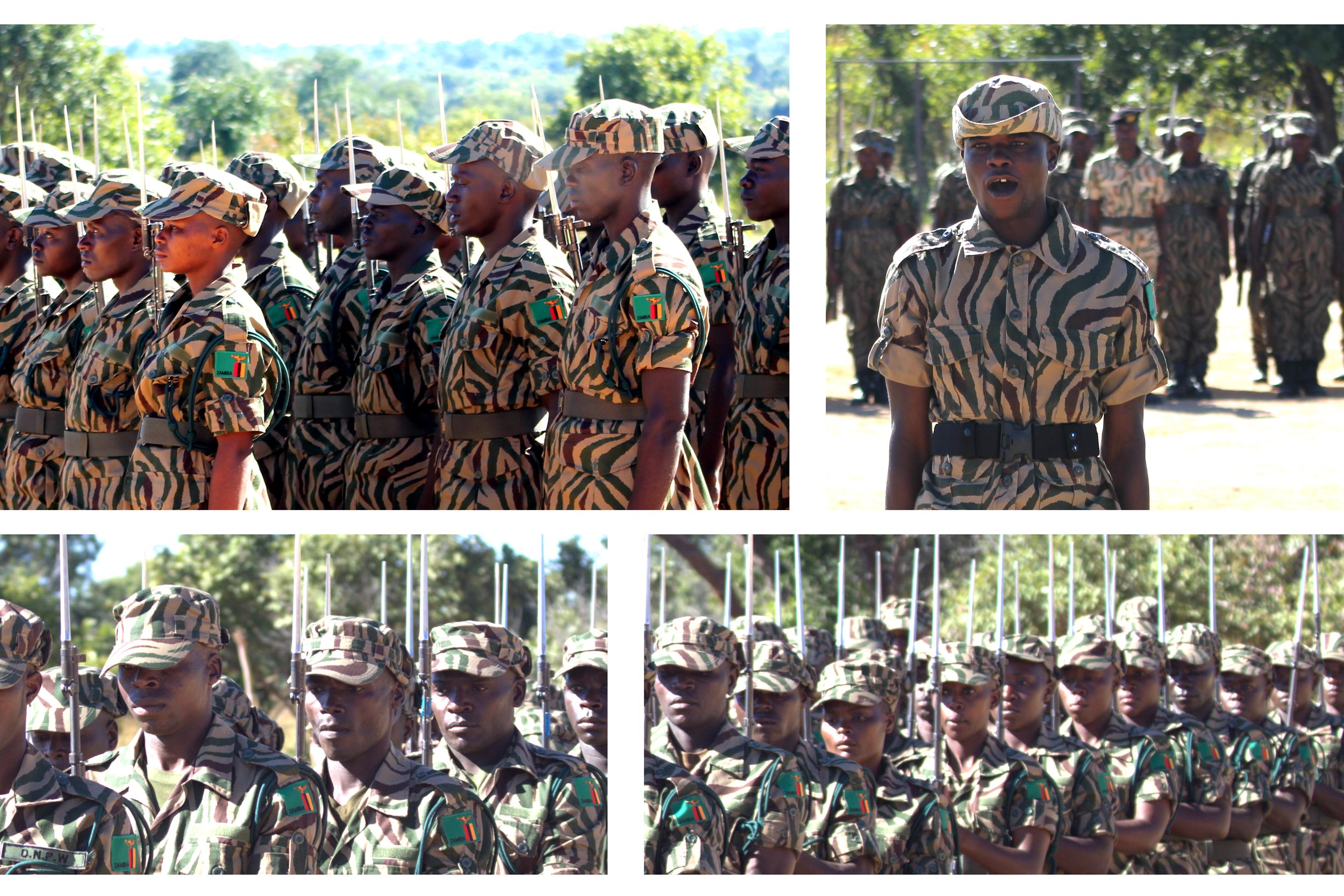
Chunga Training School conducts intensive training in Wildlife Management and Law Enforcement, including paramilitary training and legal subjects. The Zambia Wildlife Act No. 14 of 2015 provides the principal legal framework governing wildlife conservation, management, protection, licensing and enforcement in Zambia.
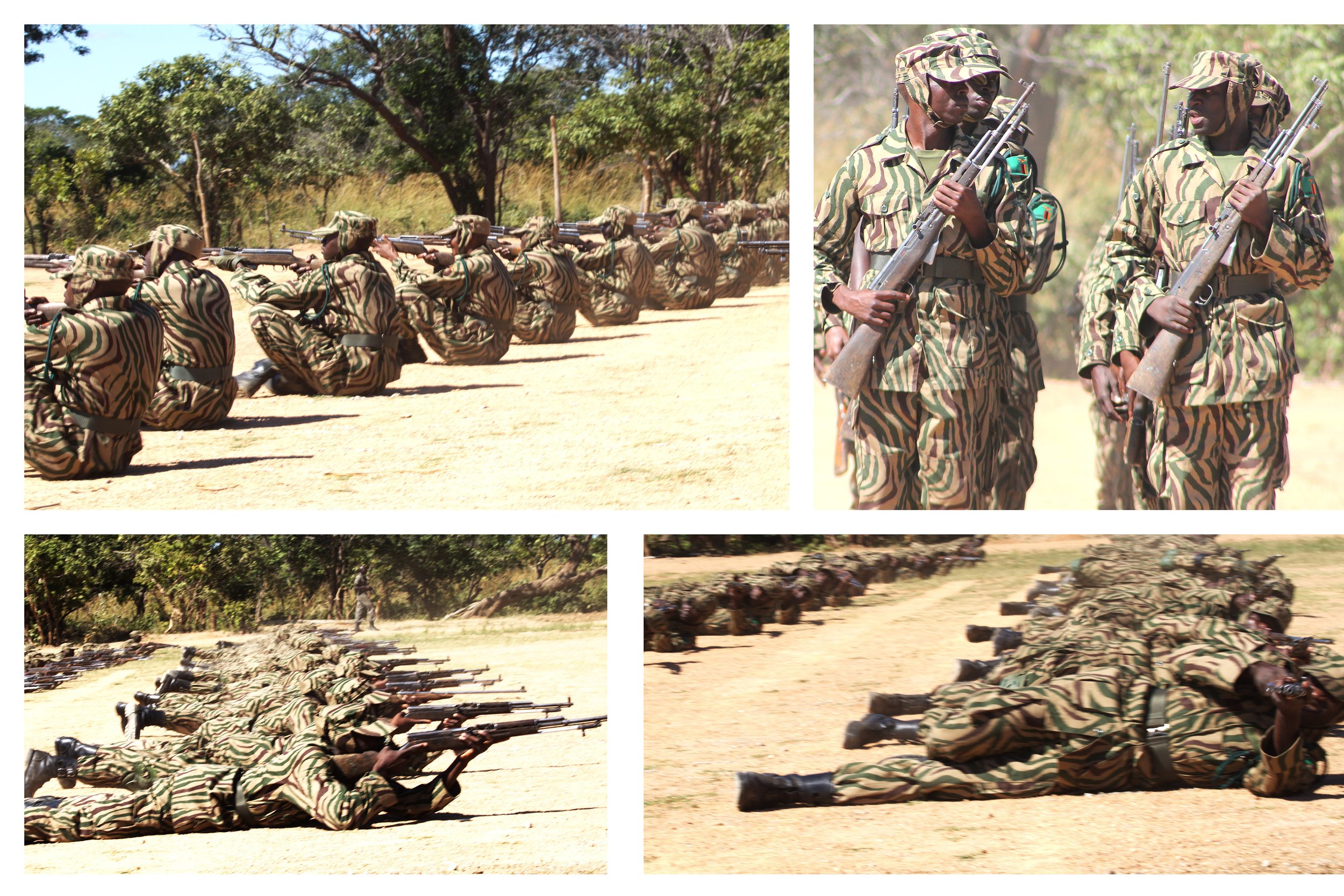
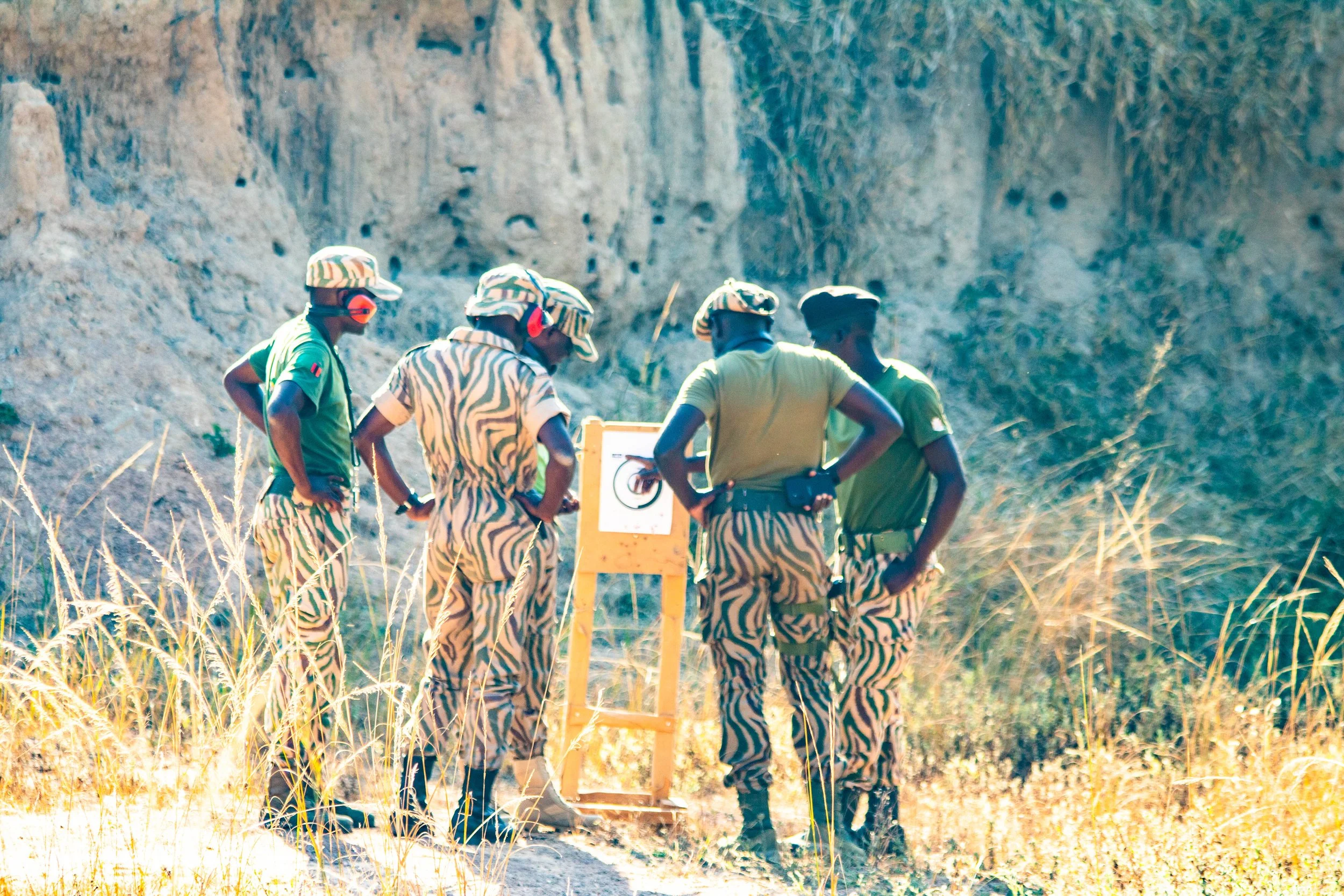
WEAPON TRAINING
READY TO CONSERVE
Chunga Wildlife Training School integrates human rights, professional ethics and the rule of law across its wildlife management and law-enforcement training programmes. The School recognises that effective wildlife conservation must be undertaken with full respect for human dignity, fundamental rights and applicable national laws.
Training in wildlife law enforcement, arms and firearms management, anti-poaching operations, arrests, searches, investigations and field operations is therefore guided by the principles of legality, necessity, proportionality, accountability and respect for human dignity.
Particular emphasis is placed on the lawful and responsible exercise of enforcement powers, including the appropriate use of force and firearms, protection of the rights of suspects and affected communities, humane treatment of persons in custody, professional conduct, non-discrimination, conflict de-escalation and respect for due process.
The School also promotes constructive engagement between wildlife officers and communities living in and around protected areas. Through human-rights-based approaches to conservation, trainees are equipped to protect wildlife and natural resources while building trust, strengthening community participation and maintaining public confidence in wildlife law enforcement.
This approach ensures that graduates of Chunga Wildlife Training School are not only competent wildlife professionals and law-enforcement officers, but also ethical, accountable and rights-respecting conservation practitioners committed to protecting both Zambia's natural heritage and the dignity of its people.

● Housing & Dining
Cooperating partners
Cooperating Partners and Continuous Training
Cooperating Partners and Continuous Professional Development
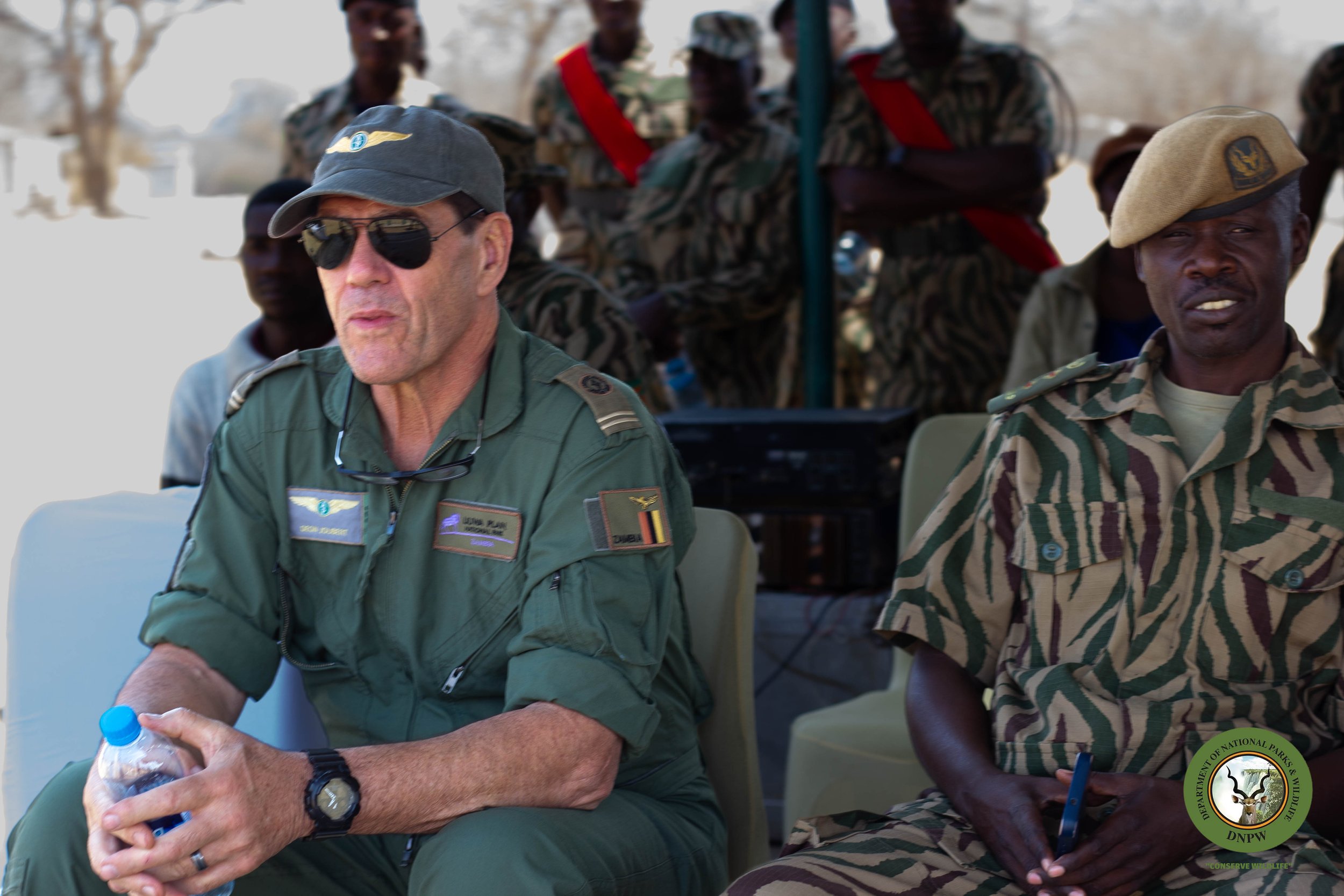
Chunga Wildlife Training School recognises the importance of strategic partnerships in delivering effective, relevant and up-to-date wildlife training. Through collaboration with cooperating partners, conservation organisations, law-enforcement institutions, academic institutions and other stakeholders, the School is able to strengthen its training capacity, access specialised expertise and continuously update its curriculum in response to emerging conservation challenges.
These partnerships facilitate the provision of specialised training in areas such as wildlife management, law enforcement, firearms safety and management, wildlife legislation, human rights, community engagement, anti-poaching, wildlife crime investigations, leadership, technology and modern conservation practices.
Cooperating partners also contribute through technical expertise, training materials, equipment, infrastructure development, instructor support, specialised courses and opportunities for professional development. This collaboration enables instructors and trainees to remain abreast of evolving national, regional and international standards in wildlife conservation and law enforcement.
The School therefore views partnerships as an essential component of continuous improvement, ensuring that training remains practical, professional, human-rights based, scientifically informed and responsive to emerging threats to wildlife and protected areas.
Through these collaborations, Chunga Wildlife Training School continues to build the capacity of wildlife officers and conservation practitioners to effectively protect Zambia's wildlife and natural resources while upholding the rule of law, human dignity and the rights of local communities.

● Health & Safety
Health Center
Our fully-equipped health center sits right at the heart of camp, staffed 24/7 by warm, knowledgeable registered nurses.
● Free Time
Activities
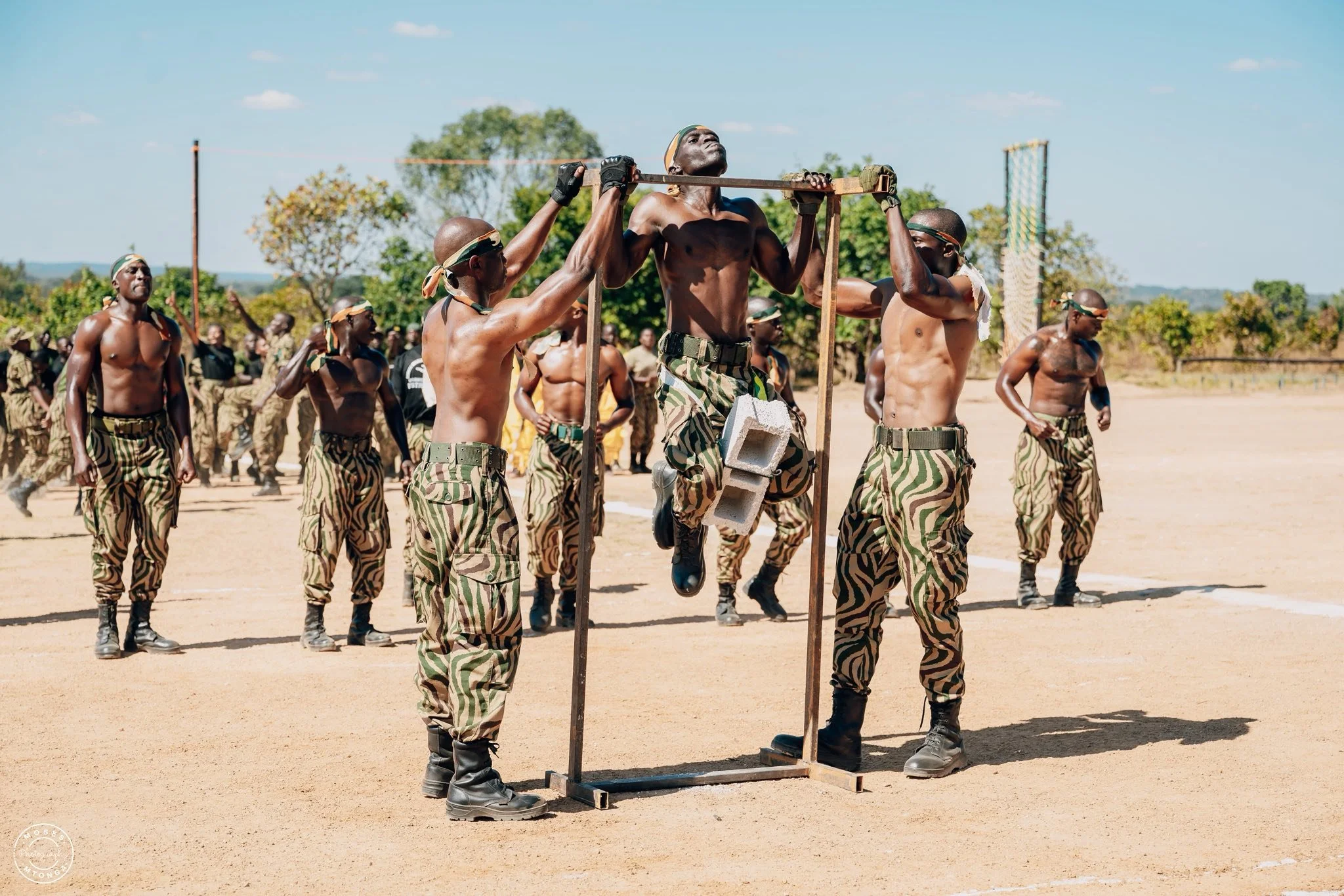
The overall objective is to develop physically fit, disciplined and professionally competent wildlife personnel capable of operating safely and responsibly in challenging conservation environments. Training can also be strengthened through cooperation with DNPW partners and specialised training institutions, ensuring that methods remain current, practical and consistent with modern conservation and human-rights standards